

CABLE CAM SYSTEMS FAQ
Extending winch distances and using longer ropes on JoyMechanix cable cam systems
Yes - you can often place the winches farther apart than the system’s nominal working zone by using longer, standard load lines. Because JoyMechanix does not rely on fiber embedded in the main ropes, extending rope length is straightforward, practical in real venues, and typically far more cost-effective than fiber-integrated lines.
Article Scope
This article explains how longer ropes can extend winch-to-winch spacing, why the effective flying zone stays centered within the system’s working range, and how this helps solve common rigging constraints (for example, when winches cannot sit directly under pulleys or must be clustered and routed). It also covers practical considerations like rope specification, routing, and cost implications. It does not replace a site fit review or engineering sign-off - final feasibility depends on venue geometry, pulley heights, rigging method, safety zones, and the specific system configuration.
Extending winch distances and using longer ropes
Another frequent question is whether a system with, for example, 100-meter winches can be used in a larger venue where the distance between winches is around 150 meters. The answer is yes, and this is largely possible because we don’t use fibers embedded in the lines.
Since the ropes are standard and easily replaceable, you can install longer ropes on the winches - either supplied by us or even sourced locally if needed. For instance, you can fit a 150-meter rope onto a 100-meter winch. In this case, the system will still have an effective working zone of about 100 meters, but you can physically position the winches 150 meters apart. The usable shooting area will then be centered between the winches.
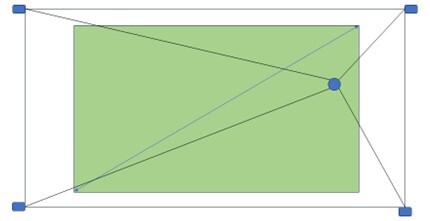
In practice, this works well because most productions don’t use the full diagonal working range. The majority of shots are concentrated in the central area - typically around 70% of the total space - so extending the rope length allows you to adapt a standard system to larger venues without needing a completely different setup.
This approach applies across all system types, from studio setups to large stadium configurations. It also solves practical rigging challenges. For example, in some stadiums it’s not possible to position winches directly under each pulley. In these cases, clients often place multiple winches - sometimes all four in a single corner, and then route the ropes through pulleys to reach the required positions. This setup requires longer ropes, which can be easily implemented thanks to the absence of embedded fibers.
This approach applies across all system types, from studio setups to large stadium configurations. It also solves practical rigging challenges. For example, in some stadiums it’s not possible to position winches directly under each pulley. In these cases, clients often place multiple winches - sometimes all four in a single corner, and then route the ropes through pulleys to reach the required positions. This setup requires longer ropes, which can be easily implemented thanks to the absence of embedded fibers.
An additional benefit is cost. Standard ropes are significantly cheaper than fiber-integrated ones -often by around 10 times while also being more flexible to deploy and replace. This makes extending cable length not only practical but also economically efficient.
Can I get 300 m of rope per cable for very large stadiums?
There are two possible approaches. The most common and cost-effective solution is simply to supply longer ropes on the stadium winches. The working diagonal of the JM 2.3 Stadium System remains 250 m, which is already sufficient for virtually all stadium applications, including the largest venues we have worked in worldwide. The additional rope is typically required only for routing through pulleys, redirections, and reaching rigging positions from ground level. The excess of the rope over 250m in transportation just kept on the side of the drum.
For projects requiring significantly longer distances, we can offer the JM 3.3 system, which supports rope lengths from 300m to 800 m. These winches accommodate additional rope capacity through multi-layer winding on the drum, making them suitable for extremely large installations. These systems are built per client’s requirements, so the speed, power, drum capacity and cable thickness varies.
Cable cam guides
How to Increase the Flying Zone of a 3D Cable Cam System
Learn how longer standard ropes can extend or reposition the flying zone of a JoyMechanix 3D cable cam system without using fiber-integrated carrying lines.